
Innovation and Sustainability: Building the Foundations of Tomorrow’s Economy
In the 21st century, two forces stand out as transformative: innovation and sustainability. Innovation drives progress, creating tools and systems that redefine industries. Sustainability ensures that progress does not come at the expense of people or the planet. When combined, these forces can build a resilient, inclusive, and forward-looking global economy.
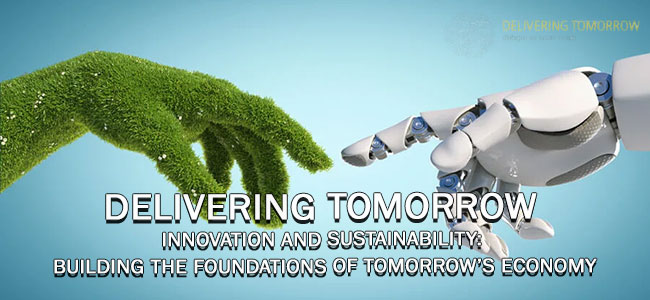
This article explores how businesses, governments, and communities can align innovation with sustainability across trade, e-commerce, logistics, and technology.
Innovation as a Catalyst for Growth
1. The Digital Revolution in Business
Digital transformation is no longer optional. Cloud computing, AI, and blockchain are now foundational elements of modern economies. Companies that embrace digital tools are able to scale faster, respond quicker, and deliver more efficiently.
-
Artificial Intelligence (AI): Optimizes supply chains, predicts customer demand, and personalizes shopping experiences.
-
Blockchain: Provides secure, transparent systems that reduce fraud and improve trust.
-
Internet of Things (IoT): Connects machines, vehicles, and warehouses for real-time monitoring.
2. Human-Centered Design
Innovation should serve people, not just profits. The most successful solutions are those that integrate empathy, usability, and inclusivity. This is evident in e-commerce platforms designed for accessibility, as well as logistics systems that prioritize safety and worker well-being.
3. Collaboration Across Borders
Technology has blurred national boundaries. International collaboration accelerates research, standardizes frameworks, and creates markets that are more open and inclusive. Cross-border partnerships are critical for scaling sustainable innovations.
Sustainability as an Imperative
1. The Climate Challenge
The Intergovernmental Panel on Climate Change (IPCC) warns that the next decade is crucial. Business-as-usual models are unsustainable. Logistics and trade must dramatically reduce emissions, while consumers increasingly demand eco-conscious choices.
2. ESG as Mainstream
What was once niche is now mainstream. Environmental, Social, and Governance (ESG) reporting is a baseline expectation for investors, regulators, and stakeholders. Companies without credible sustainability strategies face higher risks and lower trust.
3. Circular Economy Principles
Linear “take-make-dispose” models are being replaced by circular approaches. Reuse, recycling, and regenerative design are helping industries cut waste and extend the lifecycle of products. Packaging, in particular, is undergoing massive redesign toward sustainable solutions.
Where Innovation and Sustainability Meet
1. Smart Logistics
Sustainable logistics depends on innovative technologies:
-
Electric fleets and autonomous vehicles reduce carbon footprints.
-
Route optimization algorithms minimize fuel use.
-
Drone delivery pilots provide low-emission last-mile solutions.
2. Sustainable E-Commerce
E-commerce must address its carbon and packaging footprint. Innovations such as biodegradable packaging, recyclable shipping materials, and carbon-neutral delivery options are becoming standard offerings.
3. Data-Driven Sustainability
Analytics and AI help companies monitor energy usage, forecast emissions, and create science-based targets. Transparency platforms allow consumers to check the environmental footprint of the products they buy.
Case Studies and Examples
-
Renewable-Powered Warehouses – Some global logistics firms now operate distribution centers powered entirely by solar and wind energy.
-
Fashion Industry Circularity – Major brands have launched resale platforms to encourage second-hand purchases, extending product life cycles.
-
Smart Cities – Municipalities are adopting IoT-powered traffic systems to reduce congestion and emissions.
These examples show how innovation provides the tools, and sustainability provides the direction.
The Road Ahead
1. Policy and Governance
Governments must create frameworks that incentivize innovation while mandating sustainability. This includes tax incentives for renewable adoption, stricter emission regulations, and funding for R&D in green technology.
2. Education and Workforce
Preparing the next generation of workers requires upskilling in both digital and green competencies. Engineers, data scientists, and sustainability experts will be equally crucial to building resilient economies.
3. Consumer Power
Consumers play an active role. By demanding eco-friendly products and rewarding transparent companies, they can accelerate the shift to sustainable innovation.
Conclusion
The challenges of climate change, globalization, and digital disruption are immense—but so are the opportunities. Innovation provides the engine; sustainability provides the compass. Together, they form the foundation of a tomorrow that is not only more efficient but also more equitable and resilient.
Delivering Tomorrow is committed to amplifying this dialogue, showcasing ideas that connect business transformation with planetary responsibility. The journey is not optional—it is inevitable, and it begins today.

Pingback: Digital Transformation and Global Collaboration For Economy
Pingback: Digital Transformation and Global Collaboration: Shaping the Future of Tomorrow’s Economy – I wish I had more to offer